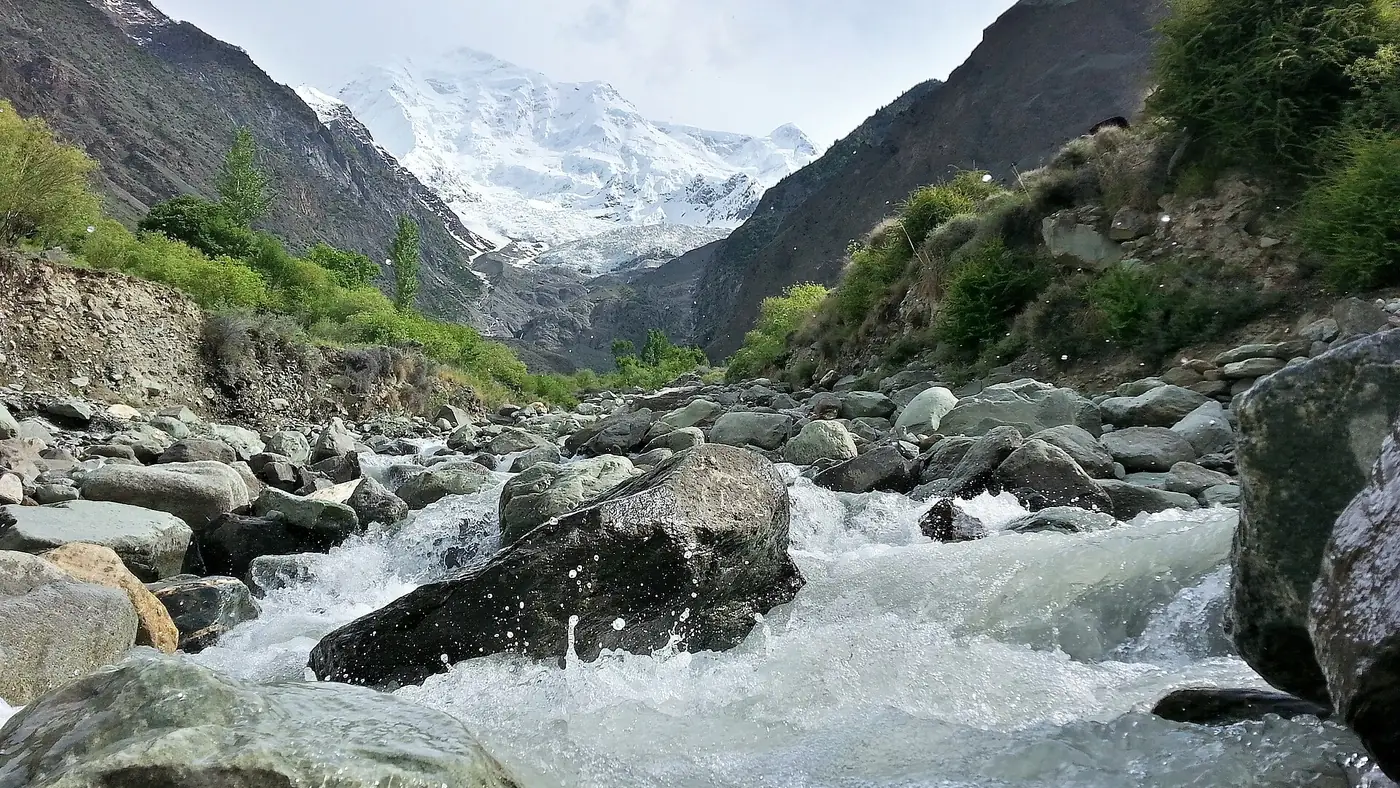
River rafting in Gilgit-Baltistan means one of three rivers: the Hunza, the Gilgit and the Indus, all glacier-fed and running fast through narrow valleys. The Gilgit River, through Ghizer, is the easiest and the one most beginners are put on; the Hunza River near Aliabad and Gilgit is a step up; and the Indus, particularly the Jaglot to Thakot stretch, has serious, high-volume rapids meant for experienced rafters with a proper support team.
This guide sets out which stretch suits which level of rafter, when the water is at its best, and what to check before you get in a boat.
| At a glance | |
|---|---|
| Easiest river | Gilgit River, through Ghizer valley |
| A step up | Hunza River, Aliabad to Gilgit |
| Serious rapids | Indus River, Jaglot to Thakot |
| Season | Roughly May to October; water is highest and most technical in July and August |
| Who arranges it | Trekking and adventure operators based in Gilgit and Skardu |
| What to check | The guide's experience, the raft and life jackets, and a safety/rescue plan |
Which rivers can you raft?
The Gilgit River runs down through the Ghizer valley before joining the Indus near Gilgit town. It carries a steady, manageable current rather than the biggest water in the region, which is why it's the river most operators put beginners and families on.
The Hunza River flows along the Karakoram Highway and is generally rafted on the stretch between Aliabad, near Karimabad, and its confluence near Gilgit. It has stronger rapids than the Gilgit River and suits rafters who want more of a challenge but aren't looking for the hardest water in the country.
The Indus River is the big one. The stretch from Jaglot down to Thakot, where the Karakoram Highway runs alongside the river, has strong currents and high-volume rapids and is rafted mainly by experienced groups with proper safety gear and support. Further sections of the upper Indus, including the Rondu gorge in Baltistan, are extreme white water attempted by only a handful of expeditions; they are not something a tourist trip runs commercially, and one well-documented private expedition on this stretch had to skip Rondu gorge entirely and still nearly lost a team member in a rapid near Besham.
How difficult is it?
Think of the three rivers as a rough ladder: the Gilgit River for a first-timer or a family with older children, the Hunza River for anyone who has rafted before and wants more current, and the Indus for rafters with real experience travelling with an operator who runs serious white water regularly. No river here is a lazy float; even the easier stretches are cold, glacier-fed water with a real current, and everyone in the boat needs to be able to swim and follow the guide's instructions.
When is the season?
Rafting runs roughly from May into October, tracking the snowmelt that feeds every river in the region. July and August carry the most water and the biggest, most technical rapids, which suits stronger rafters on the Hunza and Indus but can push conditions beyond what a beginner trip will run. Spring and autumn, when the flow has eased, tend to suit first-timers and families better on the Gilgit River. Conditions shift with the year's snowfall and rainfall, so confirm with the operator which stretch is running and at what level in the week you're travelling, rather than assuming last year's timing.
Booking an operator: what to check
There's no single national rafting certification body to look for in Pakistan, so the questions to ask an operator matter more than a logo on their website:
- Ask how long they've run this specific river, not adventure tourism in general. A guide who knows the Hunza River's rapids at different water levels is worth more than a generalist.
- Ask what safety kit is provided: proper life jackets, helmets, and a raft in good repair, not a boat used for years without checking.
- Ask about the rescue plan: a second raft or a safety kayak, and a guide briefed on what happens if someone goes in the water.
- Ask about group size and experience level, and be honest about your own. A beginner group should not be put on the Indus's harder stretches, and a good operator will say so rather than take the booking.
- Check the weather and river level on the day. A responsible operator postpones or changes the route after heavy rain upstream, when the water rises fast and turns brown with silt.
Arrange this in Gilgit, Karimabad or Skardu through an established trekking or adventure operator rather than an informal offer at the riverbank.
Is it worth building into your trip?
For an active group with a free afternoon in Hunza or Gilgit, a half-day on the Gilgit or Hunza River is a good addition to a trip built mainly around sightseeing and doesn't need previous rafting experience. It suits teenagers and adults more than small children, and anyone with a heart condition or who can't swim should sit this one out. If your interest is the serious white water on the Indus, that's a specialist trip in its own right, best planned directly with an operator experienced on that stretch rather than added on as a single afternoon. Tell us the shape of your trip if you want rafting built into a wider itinerary around Hunza or Skardu.
Frequently asked questions
Which river is best for beginners in Gilgit-Baltistan?
The Gilgit River, through the Ghizer valley, has the steadiest current of the three and is where most operators start first-timers and families.
Is the Indus River dangerous to raft?
The Jaglot to Thakot stretch has serious, high-volume rapids suited to experienced rafters with a proper safety setup, and sections further upstream in Baltistan are extreme water not run commercially at all. It isn't a beginner's river.
What time of year is best for river rafting in Gilgit-Baltistan?
Roughly May to October, with the biggest water in July and August. Spring and autumn tend to suit beginners better, once the peak snowmelt has eased.
Do I need previous experience to go rafting in Hunza?
Not for the Gilgit or Hunza River with a competent operator running a beginner-friendly stretch, but you do need to be able to swim and follow instructions in cold, fast water.
Where do I book a rafting trip in Gilgit-Baltistan?
Through an established trekking or adventure operator in Gilgit, Karimabad or Skardu, arranged ahead of time rather than at the riverbank, so you can check their experience and safety equipment first.