Sialkot, near Pakistan's border with India in northern Punjab, is best known today for what it makes rather than what it displays: this is the city that stitches most of the world's footballs, including the official ball for the 2026 FIFA World Cup. It's also the birthplace of the poet-philosopher Allama Iqbal, and it has a small cluster of historic Sikh sites tied to Guru Nanak.
This guide covers the places worth visiting in Sialkot and how they fit into a day out.
| At a glance | |
|---|---|
| Location | Sialkot, northern Punjab, near the border with India |
| From Lahore | About 100–130 km depending on route; roughly 2 to 2.5 hours by motorway |
| Known for | Football and sports-goods manufacturing, Iqbal's birthplace |
| Best time | October to March; summers are hot and humid |
Iqbal Manzil
Iqbal Manzil, in the old Kashmiri Mohalla area of the city, is the house where the poet and philosopher Muhammad Iqbal was born in 1877. The building was rebuilt as a three-storey house by Iqbal's elder brother in 1910, and the government acquired it for restoration in 1971, converting it into a library and museum that opened in 1977.
Inside is a library of more than 4,000 books, around half of them about Iqbal's own work, alongside family furniture, personal belongings and manuscripts, including the pen and inkwell he used. For anyone interested in Pakistan's intellectual history, this is the single most important stop in the city — Iqbal is one of the most significant figures in the country's founding story, and seeing the actual house adds weight to that in a way a plaque elsewhere wouldn't.
The house sits in Kashmiri Mohalla, one of Sialkot's older residential quarters, and the narrow streets around it are worth a slow walk in their own right, giving a better sense of the old city than the newer commercial areas nearer the sports-goods markets.
Head Marala
Head Marala is a barrage on the Chenab River about 20 km from the city centre, originally built between 1906 and 1912 under British rule and rebuilt in 1968 to feed the Marala–Ravi Link Canal. It sits close to the border with India, and the surrounding area is under a military presence, though a section has been opened to visitors for picnics, river views and, at times, boating.
It's a popular local outing rather than a major sightseeing destination, and the setting — open water against the backdrop of the Shivalik hills in the distance on a clear day — is the appeal rather than the engineering itself. Given the sensitivity of a border-adjacent site, stick to the areas open to the public and follow whatever instructions military or park staff on site give you.
Fishing is a local pastime here, and there are stalls near the site selling fresh fish and simple food, which is as much a reason locals come as the view itself. It's a half-day outing at most: the drive out, an hour or two by the water, and the drive back.
Gurdwaras in Sialkot
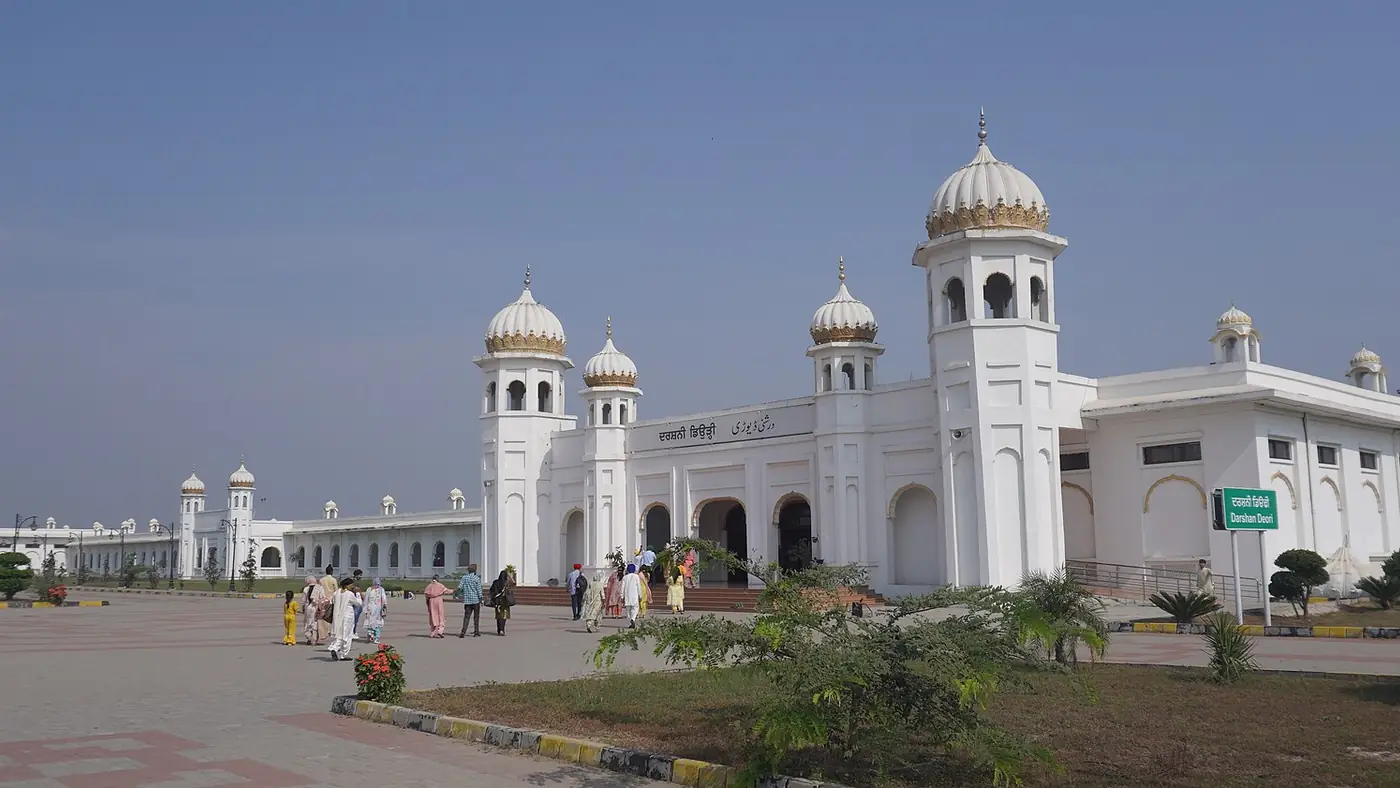
Sialkot has a real Sikh heritage connection: tradition holds that Guru Nanak, the founder of Sikhism, stayed here and met a local saint under a berry tree, a site now marked by Gurdwara Babe Di Ber in the city. The gurdwara, roughly 500 years old, was damaged during communal unrest in the 1990s and later restored, reopening to pilgrims, including Sikh visitors from India, in the 2010s. It's a working place of worship rather than a museum, so visit respectfully and expect a functioning religious site rather than a tourist attraction.
The sports-goods industry
Sialkot is one of the more unusual manufacturing stories in South Asia: a mid-sized Punjab city producing around 70% of the world's hand-stitched footballs, supplying major global brands and manufacturing official match balls for FIFA World Cups since 1982, including the 2026 tournament. Beyond football, Sialkot's factories also produce surgical instruments, musical instruments and other sports equipment such as basketballs and volleyballs, and the city is Pakistan's third-largest export hub after Karachi and Lahore.
There's no single "factory tour" laid on for casual visitors, but the sports-goods markets and outlet shops scattered through the city give a sense of the trade, and it's worth knowing this history even if you don't buy anything — it's the reason Sialkot has the relatively prosperous, industrial feel that sets it apart from most other Punjabi towns of similar size.
The city's export economy also means it has a more developed hospitality and dining scene than many towns of similar size, geared partly toward visiting international buyers, which is useful to know if you're planning an overnight stay rather than a day trip.
Planning your visit
Sialkot suits a single focused day rather than a long stay for most visitors:
- Morning: Iqbal Manzil, in the cooler part of the day.
- Midday: the sports-goods markets or outlet shops in the city centre.
- Afternoon: Gurdwara Babe Di Ber, or Head Marala if you have transport and want a more open-air, riverside stop.
Sialkot is well connected by motorway to Lahore, making it realistic as a day trip, though an overnight stay gives more breathing room if you want to properly cover all four of these stops without rushing. Our trip planning guide has more on fitting a stop like this into a wider central Punjab route, and the travel guide covers general transport advice across the province.
Is Sialkot worth visiting?
For anyone interested in Iqbal, Sikh heritage, or Pakistan's manufacturing story, yes — Sialkot offers a combination you won't find packaged together anywhere else in Punjab. As a purely scenic or historic-architecture destination it's more modest than Lahore or the old Mughal towns nearby, so it works best as a deliberate, interest-driven stop rather than a default addition to a general Punjab itinerary.
Frequently asked questions
How far is Sialkot from Lahore?
Around 100–130 km depending on the exact route, roughly two to two and a half hours by motorway.
What is Sialkot famous for?
Sports-goods manufacturing, especially hand-stitched footballs — the city makes the majority of the world's footballs and has produced the official FIFA World Cup match ball since 1982. It's also the birthplace of the poet Allama Iqbal.
Is Iqbal Manzil open to visitors?
Yes, it operates as a library and museum and is generally open during daytime hours, though it's worth checking locally for the current schedule before visiting.
Can foreigners visit Head Marala?
The site sits in a border-adjacent, militarily sensitive area, so only designated public sections are open, and rules can change. Check locally before planning a visit, and follow any instructions from staff on site.
Is Sialkot safe to visit?
Sialkot itself is a settled, developed Punjab city with no unusual travel advisories. As with any area close to the international border, exercise ordinary caution around border infrastructure like Head Marala and follow local guidance there.
How many days do you need in Sialkot?
One full day covers the main sights comfortably. An overnight stay is worth considering only if you want to add a more relaxed pace, a proper look at the sports-goods markets, or a side trip to Head Marala without rushing back for the drive to Lahore.