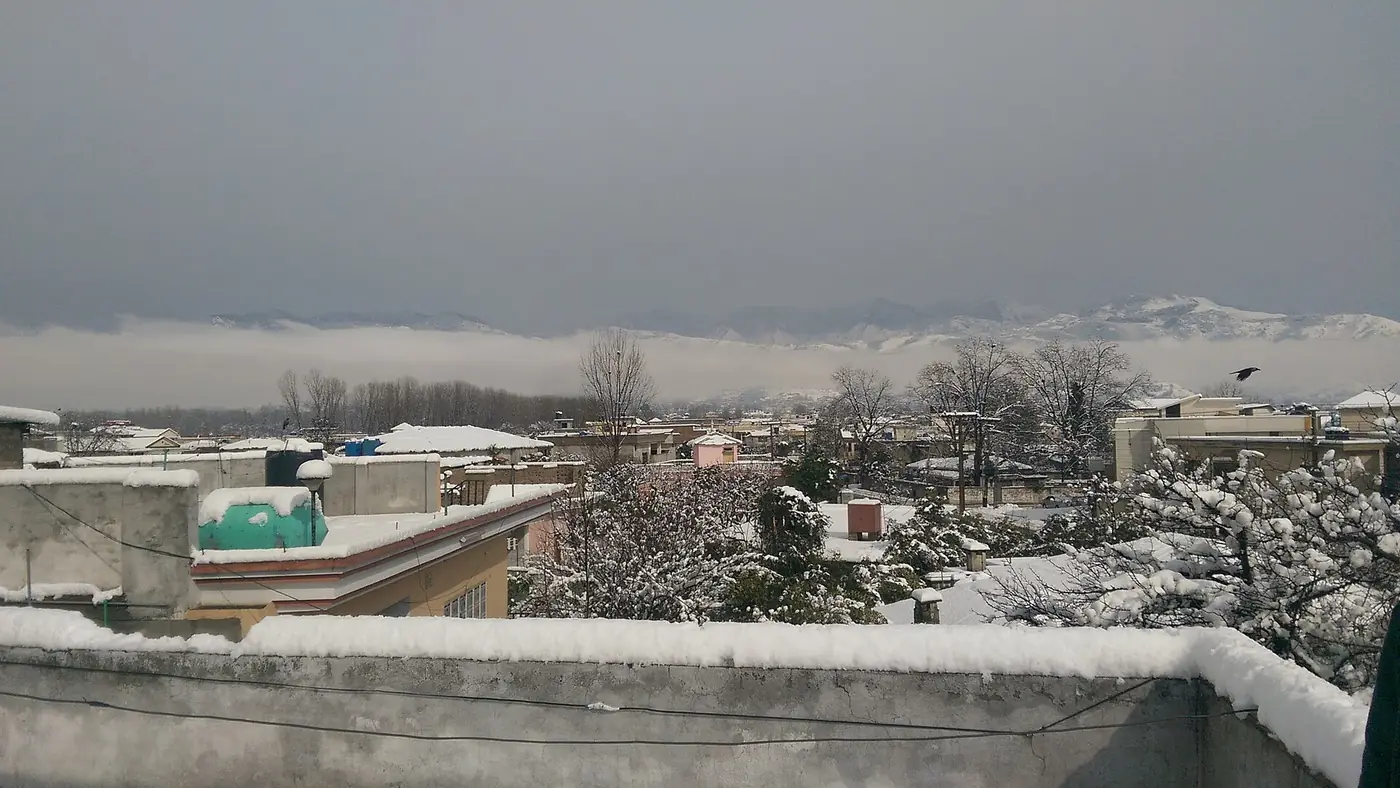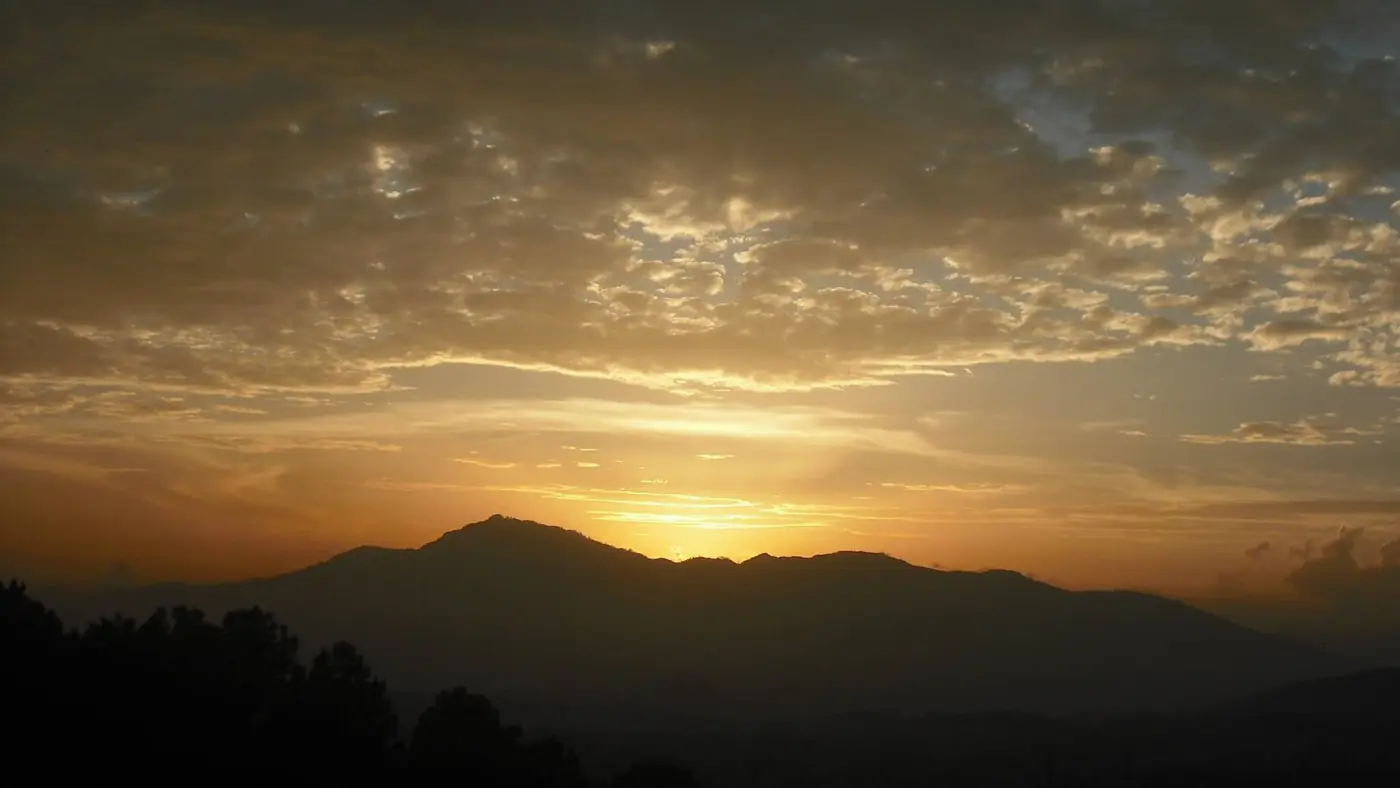
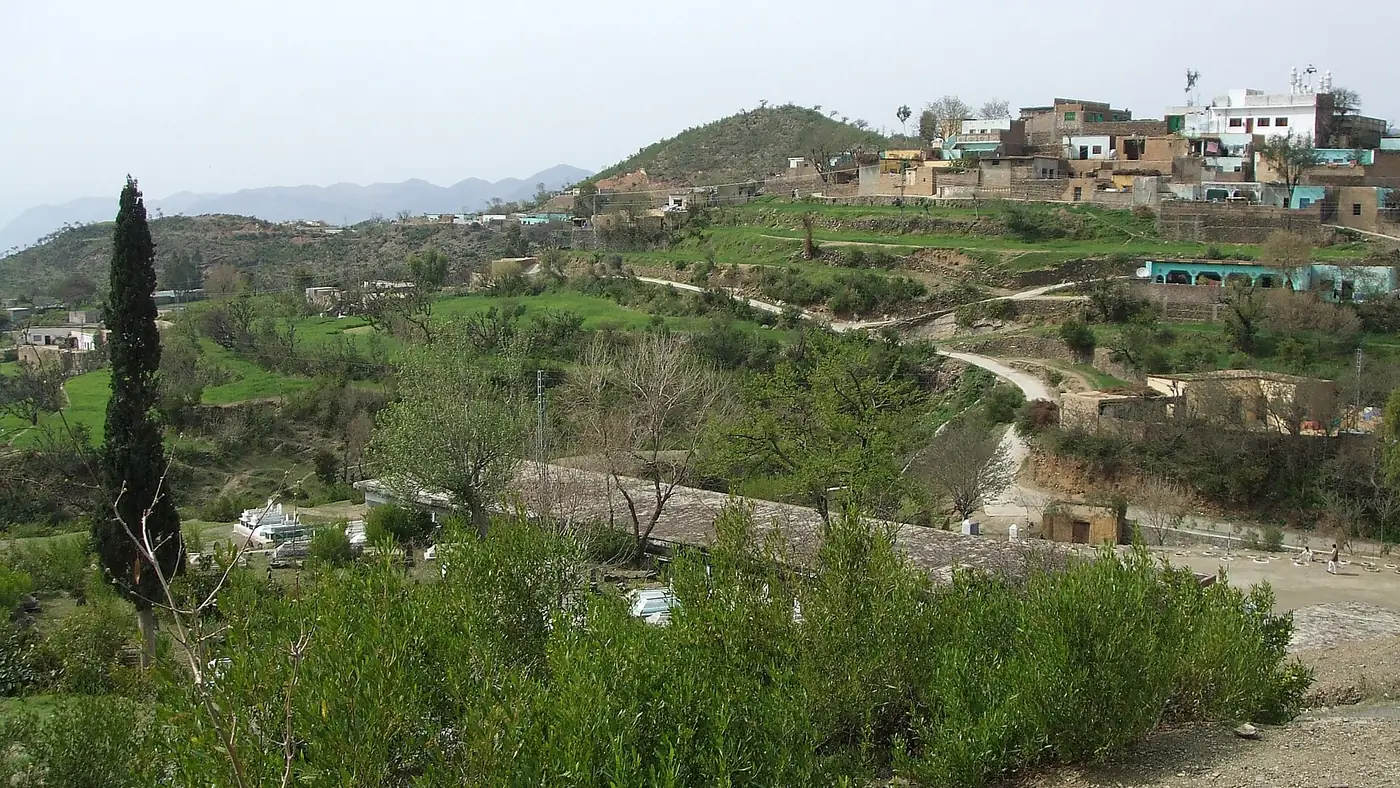
Looking for places to visit in Haripur? The town is the gateway to Hazara from Islamabad and Rawalpindi, and while it is mostly known as a drive-through stop on the way to Abbottabad or Naran, it has enough of its own history and scenery to be worth stopping in. The town was built as a Sikh garrison town in the 1820s, sits between two major reservoirs, and has one of the more significant Buddhist archaeological finds in the country a short drive from its centre.
| At a glance | |
|---|---|
| Location | Haripur district, on the N-35 north of Islamabad |
| Founded | 1822, by the Sikh general Hari Singh Nalwa |
| From Islamabad | Roughly 1.5 to 2 hours by road |
| Main draws | Harkishan Garh Fort, Bhamala Stupa, Khanpur Dam, Tarbela Lake |
| Best season | Spring and autumn for the lakes; year-round for the fort and stupa |
Harkishan Garh Fort
Haripur itself began as a fortress. It was founded in 1822–23 under the Sikh governor Hari Singh Nalwa, following the Sikh takeover of Hazara, and the town's original fort, Harkishan Garh, still stands at its centre, complete with a 20-foot moat built for the defence of the Sikh garrison. Haripur served as the administrative headquarters of Hazara until 1853, when the British moved the district capital to the newly built cantonment at Abbottabad. The fort was later used as British administrative offices, and today parts of it are occupied by government departments; the Khyber Pakhtunkhwa government approved a plan in 2019 to turn sections of it into a museum. It is not a polished heritage site in the way a restored fort elsewhere might be, but it is the physical reason Haripur exists where it does, and worth a short stop if you are curious about the town's origins.
Bhamala Stupa and the sleeping Buddha
A short drive from Haripur, on the banks of the Haro River near Khanpur Dam, sits the Bhamala archaeological complex, a Buddhist stupa first documented in 1930–31 by the archaeologist Sir John Marshall and excavated more fully from 2017 onward. The stupa itself dates from roughly the 2nd to 5th century CE and is one of the few in the world built to a cruciform plan, a form reserved for images of the Buddha himself.
Excavations here uncovered more than 500 Buddhist objects, including a 48-foot reclining "sleeping Buddha" statue dated to around the 3rd century CE, described by archaeologists as among the oldest such statues found anywhere. It is a genuinely significant find, and the site, while modest in its visitor facilities, is worth the detour for anyone interested in the Buddhist Gandhara heritage that runs through much of Hazara and the wider region.
Khanpur Dam
Khanpur Dam, on the Haro River south of Haripur, is the area's best-known recreational spot, with turquoise water, boating, jet-skiing and hillside picnic areas that draw day-trippers from Islamabad and Rawalpindi as much as from Haripur itself. We cover it in full, including how to get there and what it costs, in our guide to Khanpur Dam.
Tarbela Lake
To the north of Haripur lies Tarbela Lake, the reservoir behind Tarbela Dam, one of the largest earth-filled dams in the world. The lakeside parks here are open to the public, though the dam and powerhouse themselves need advance permission from WAPDA to visit. We go into the detail, including how to arrange that permission, in our guide to a Tarbela Dam visit.
Getting to Haripur
Haripur sits directly on the N-35, roughly 1.5 to 2 hours by road from Islamabad, making it an easy stop on the way to Abbottabad, the Galiyat hill towns or further north into Hazara and beyond. Most visitors treat it as a half-day stop, combining the fort or Bhamala Stupa with a longer trip rather than staying overnight, since Abbottabad, a short drive further north, has a wider choice of hotels.
Is Haripur worth a stop?
If your route already passes through Haripur, yes, and Bhamala Stupa in particular is worth the short detour for anyone with an interest in history. As a standalone destination it has less pull than Abbottabad or the Galiyat towns further along the same road, so it works best as a planned stop on a longer drive north rather than a trip in its own right.
Frequently asked questions
How far is Haripur from Islamabad?
About 1.5 to 2 hours by road, depending on traffic, making it an easy day trip or a stop on the way further north into Hazara.
What is the historical significance of Haripur?
The town was founded in 1822 by the Sikh general Hari Singh Nalwa as a garrison town and served as the administrative headquarters of Hazara until 1853, when the British moved the capital to Abbottabad.
Is Bhamala Stupa open to visitors?
Yes, it is an accessible archaeological site near Khanpur Dam, though it has limited formal visitor facilities compared with a developed museum site.
Can I visit Khanpur Dam and Tarbela Lake in the same trip as Haripur?
Yes. Both are close to Haripur, and many visitors combine a stop at the town's fort or Bhamala Stupa with an afternoon at one of the two lakes.
Is there anywhere to stay overnight in Haripur?
Options are limited compared with Abbottabad, which is a short drive further north and has a much wider range of hotels, so most visitors treat Haripur as a day stop rather than a base.