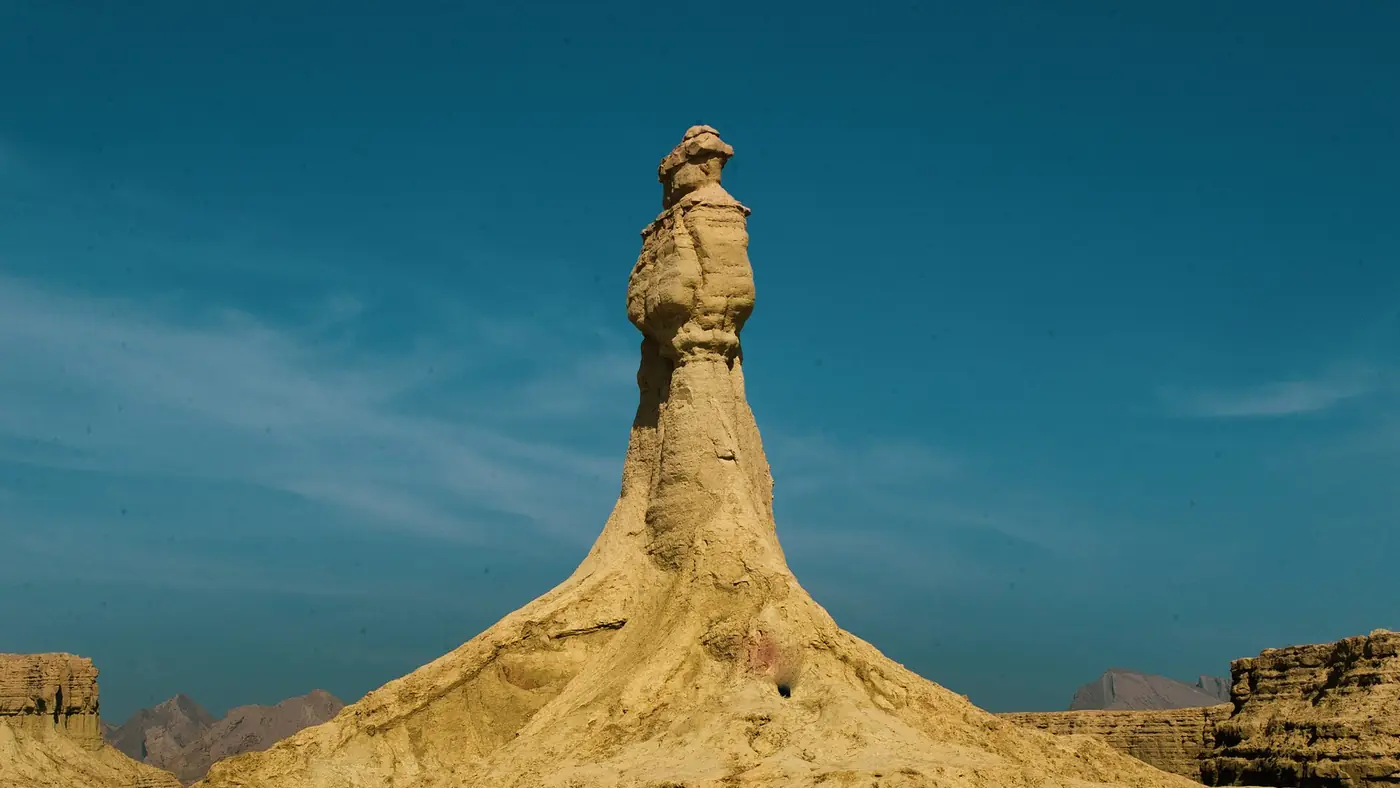
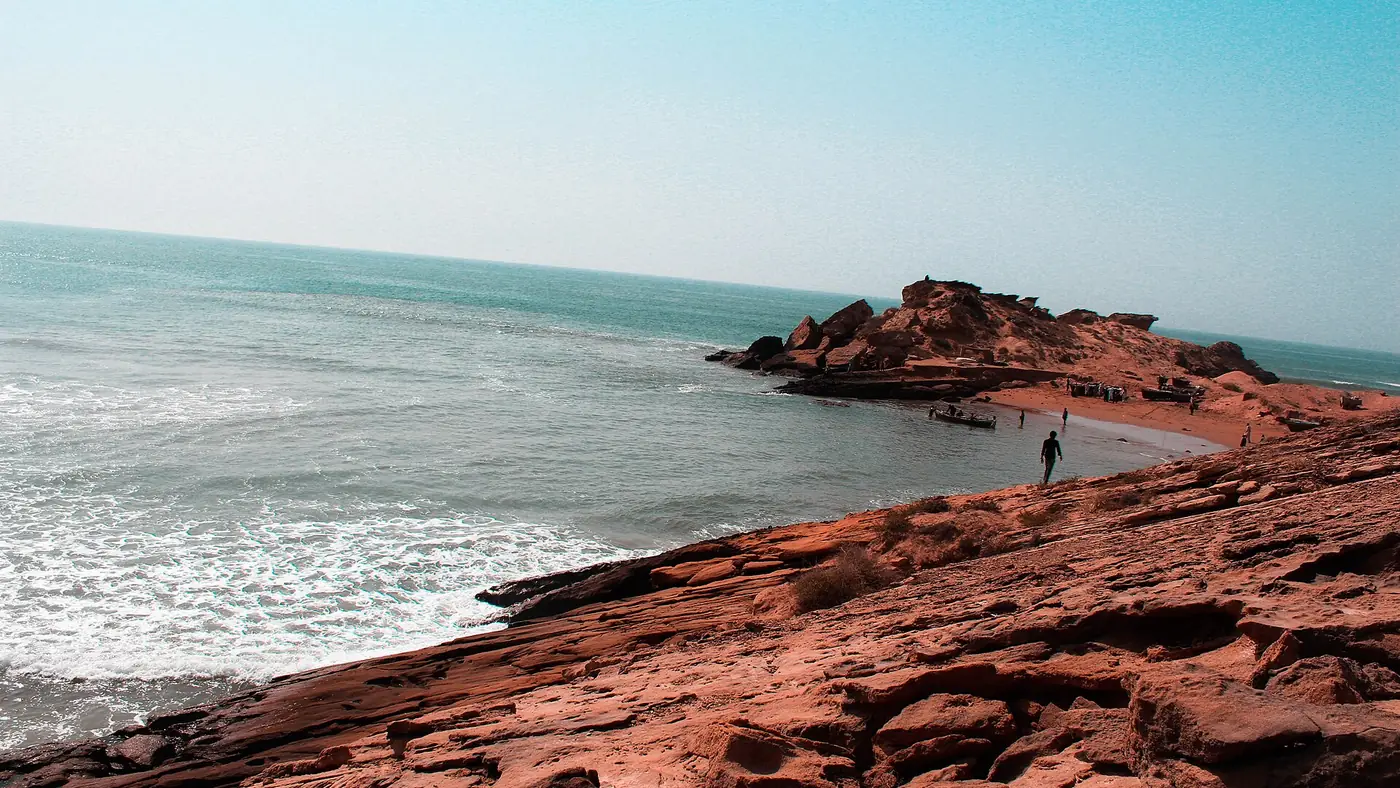
Camping at Kund Malir means pitching a tent on the open beach near the huts, in the same stretch of sand where day visitors sit. Most people camp between October and February, when the sea is calmer and the nights are cool rather than hot, and the reward is a night sky with no competing light for kilometres in any direction. It is one of the easiest wild camps to reach from Karachi and one of the least equipped, so what you bring matters more than at almost any developed campsite in Pakistan.
This guide covers where camping actually happens, the wind and tide risks specific to this beach, how to make the most of the sky after dark, what to register on arrival, and a gear list built around what is not available there.
| At a glance | |
|---|---|
| Where to camp | The open beach near the huts, set well back from the waterline |
| Best months | October to February |
| Tides | Highest and least predictable June to August; camp above the visible high-water line year-round |
| Wind | Strongest and dustiest May to August; a steady onshore breeze most evenings even in winter |
| Night sky | Very dark; the Milky Way is visible on clear, moonless nights |
| Registration | Original CNIC for every adult, checked at highway checkposts on the way in |
| Facilities | None on the open beach itself; huts and simple restaurants nearby |
Where can you actually camp?
There is no fenced or marked campsite at Kund Malir. In practice, camping happens on the open beach close to the cluster of huts and simple restaurants, where the ground is firm enough to peg a tent and you are within walking distance of a hut for shade, food and a paid toilet during the day.
- Camp near the huts, not far from them. This is where other overnight visitors are, where a hut owner can point you to a reasonable spot, and where you are not alone if something goes wrong in the night.
- Don't camp on the soft sand nearer the dunes, where vehicles can get stuck and where tent pegs hold poorly.
- Don't head off into the park's interior to camp. That ground is remote, has no services and is not somewhere to go without local knowledge; our guide to Hingol National Park permission explains what to check with the Balochistan Forest & Wildlife Department if you want to camp anywhere beyond the beach itself.
- Ask locally before you pitch. A hut owner or restaurant nearby can tell you where other groups have camped recently and where the ground floods if the tide runs high.
Wind and tide: what to plan around
The two things that catch out first-time campers here are the wind and how far the tide can reach, neither of which is obvious from photographs taken in calm weather.
Tides
Kund Malir's tides run highest and least predictable from around June to August, which is also the roughest part of the monsoon season for the sea generally. Even outside those months, always camp well above the clear line of seaweed, driftwood and debris that marks the last high tide, not just above where the water happens to be when you arrive. A calm evening tells you nothing about where the water will be at 2 am.
- Pitch your tent a good distance back from the current waterline, on ground that shows no sign of recent wetting.
- Don't camp in a natural hollow near the beach, even one that looks dry. Water can pool there if the tide runs higher than expected.
- Move the tent, don't wait and see, if the sea is visibly closer to camp after dark than it was when you arrived.
Wind
Wind picks up noticeably from around May through August, carrying dust and making an open tent hard to manage. Even in the calmer winter months, expect a steady onshore breeze most evenings, dying down overnight and picking up again with the morning sun.
- Peg every guy line, not just the corners, and use sand pegs or anchors rather than the light pegs that come with many tents.
- Pitch with the tent's lowest, most aerodynamic side towards the sea.
- Weight down anything loose, including groundsheets, chairs and rubbish bags, or it will end up down the beach by morning.
- Avoid camping in summer altogether if you can. Between the wind, the heat and the rougher sea, it is a harder trip in every respect than the same night in winter.
Registering when you arrive
There is no separate camping permit for the beach itself. What you do need is the same as for any visit: an original CNIC for every adult, ready to show at the security checkposts on N-25 and the Makran Coastal Highway on the way in. It is worth telling the hut owner or restaurant nearest your camp that you are staying the night, both as a courtesy and because they are the people most likely to know if conditions are about to change. Our guide to driving from Karachi to Kund Malir covers the checkposts and documents for the road itself.
The night sky
This is the best reason to camp rather than drive back the same day. Kund Malir has no street lighting, no town glow and almost nothing artificial between the beach and the horizon, so on a clear, moonless night the sky is genuinely dark: the Milky Way is visible to the naked eye, and meteors are easy to spot without any equipment.
- Check the moon phase before you go. A night near the new moon gives the darkest sky; a night near the full moon washes out all but the brightest stars.
- Give your eyes 20 to 30 minutes away from any light to adjust fully to the dark.
- Bring a red-light torch or put red film over a white one if you need light near camp; it preserves night vision for everyone around you.
- A basic star app works even offline once you have downloaded the relevant sky data in Karachi, since there is no signal to rely on at the beach.
- Photographing the sky needs a tripod and a camera capable of a long exposure. A phone alone will show you far less than your own eyes will.
What to bring
Kund Malir has almost nothing to fall back on after dark, so treat the gear list as complete rather than a starting point.
- A tent rated for wind, with strong pegs or sand anchors, not the lightest one you own
- A groundsheet, since the sand holds the day's heat and cools quickly after dark
- Warm layers for the evening and early morning, even in a hot month; the wind off the sea drops the temperature fast once the sun is down
- More drinking water than you think you need, plus water for washing; there is no reliable fresh water source at the beach
- A stove or charcoal if you plan to cook, since firewood is scarce on this coast
- A torch each, with spare batteries, and a red light for stargazing
- A fully charged power bank; there is no electricity on the open beach
- A basic first-aid kit and any regular medication
- Rubbish bags, and the intention to carry every piece of it back to Karachi
- Cash, since there is nowhere here to use a card
Who camping at Kund Malir suits
Camping suits groups of friends, couples and families with older children who are comfortable without electricity, showers or a fixed toilet close to the tent, and who are travelling with someone confident pitching a tent in wind. It is a poor fit for anyone who needs to be near medical help, for very young children on a hot night, and for a first camping trip with no experience of coastal weather.
If a night on the sand does not suit your group, a hut for the day and the drive home before dark is just as rewarding a way to see the beach; our Kund Malir beach guide covers that option, and our Kund Malir huts guide covers rooms for the night that are not a tent. For help working camping into a longer trip along the coast, start with our trip planning page.
Frequently asked questions
Can you camp for free at Kund Malir?
There is no fee specifically for pitching a tent on the open beach, though this can change and should be confirmed locally. You still need an original CNIC, checked at the security checkposts on the way in.
Is it safe to camp overnight at Kund Malir?
Many groups do it safely, camping close to the huts rather than in an isolated spot, telling a local hut owner they are staying, and following the daylight rule for the drive there and back. Read our guide to safety at Kund Malir before you go.
What is the best time of year to camp at Kund Malir?
October to February, when the sea is calmer, tides are more predictable and nights are cool rather than hot. Avoid the monsoon months from around May to August, when wind, dust and tides are all at their worst.
Do you need a tent, or can you rent one at Kund Malir?
Bring your own tent built for wind and sand. Some tour groups and operators bring camping equipment and set it up as part of a package, but there is no equipment rental on-site to rely on.
Is there electricity or water at the Kund Malir campsite?
No. There is no power or fresh water on the open beach. Bring a charged power bank, torches and all the drinking water you expect to need.
Can you see the Milky Way at Kund Malir?
Yes, on a clear night with little or no moon. The beach has almost no light pollution, making it one of the better places within reach of Karachi for naked-eye stargazing.
Is Balochistan safe for overseas visitors?
Pakistani travellers do visit, but as of September 2026 the UK government advises against all travel to Balochistan. If you hold a foreign passport, check your own government's advice before you go, because travelling against it can void your insurance. Everyone should check local news and current police advice before setting out.