Chitral Gol National Park, a short drive above Chitral town, holds the largest population of markhor anywhere in the world, an estimated 2,278 animals in a 2021 count. It is one of the easiest places in Pakistan to see this wild goat, Pakistan's national animal, without a multi-day trek. The park also protects snow leopards, though seeing one is a matter of luck rather than planning.
This guide covers getting into the park, when and where to look for markhor, the fee, and the rest of what lives there.
| At a glance | |
|---|---|
| Established | 1984 |
| Size | About 7,750 hectares |
| Elevation range | Roughly 1,450 m to 5,000 m |
| From Chitral town | About two hours' drive to the park |
| Best months | Roughly May to September |
| Best time of day | Early morning or late afternoon |
| Entry | A park fee is charged at the gate; amount changes, so bring cash |
Where the park is and how to get in
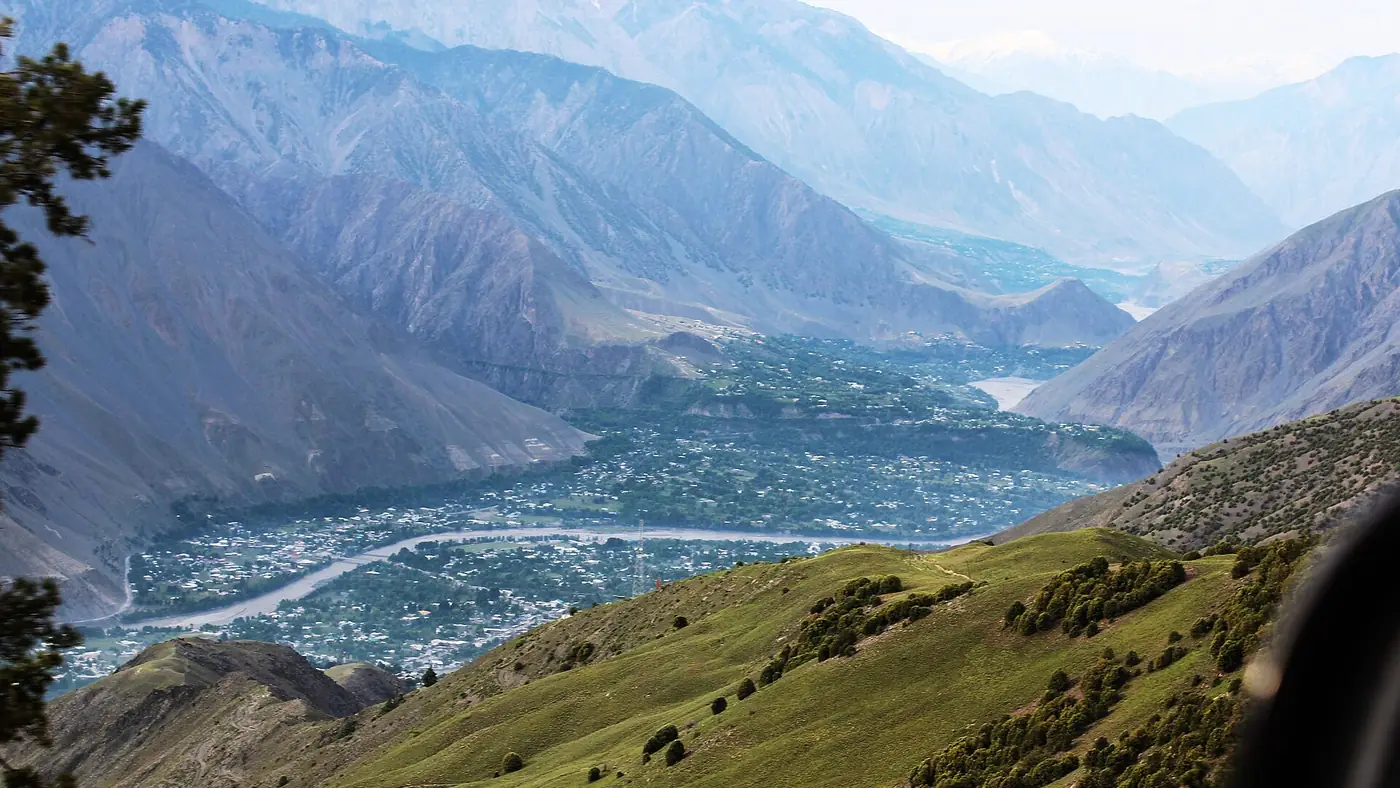
Chitral Gol National Park sits immediately above Chitral town, running up the Chitral Gol valley into the mountains. The road in is narrow, rough in places and best driven slowly, more so if it has been raining; a jeep or high-clearance vehicle is the safer choice, and public transport does not really serve the park, so most visitors arrange a jeep in Chitral town.
Allow around two hours' drive from Chitral town to reach the park proper, more if you are going all the way up to Birmoghlasht, the old summer fort within its boundaries; see our guide to Birmoghlasht for that side trip. Our guide to Chitral road conditions has the current state of the roads around the town more broadly.
Seeing markhor
Markhor are the reason most visitors come. They are large, spiral-horned wild goats, well adapted to steep, rocky ground, and the park's population is the largest anywhere, a result of decades of protection after the species was hunted close to extinction in parts of its range in the twentieth century.
A few things improve your chances of a good sighting:
- Go early morning or late afternoon. Markhor feed at these times and rest in cover through the heat of the day.
- Bring binoculars. Even where markhor are relatively common, they are usually seen on distant slopes rather than close up.
- Move quietly and keep your distance. A local guide who knows the ground will find animals far faster than you will alone, and can read where they are likely to be on a given day.
- Be patient. This is wildlife watching, not a guaranteed show. A calm, unhurried visit gives you a better chance than a rushed one.
What else lives in the park
Chitral Gol also holds snow leopards, though they are rarely seen given their low numbers and elusive habits; camera-trap and ranger monitoring programmes are the main way their presence is confirmed. Other wildlife recorded in the park includes Siberian ibex, Himalayan black bear, Himalayan wolf, red fox and, in its rivers, the Eurasian otter.
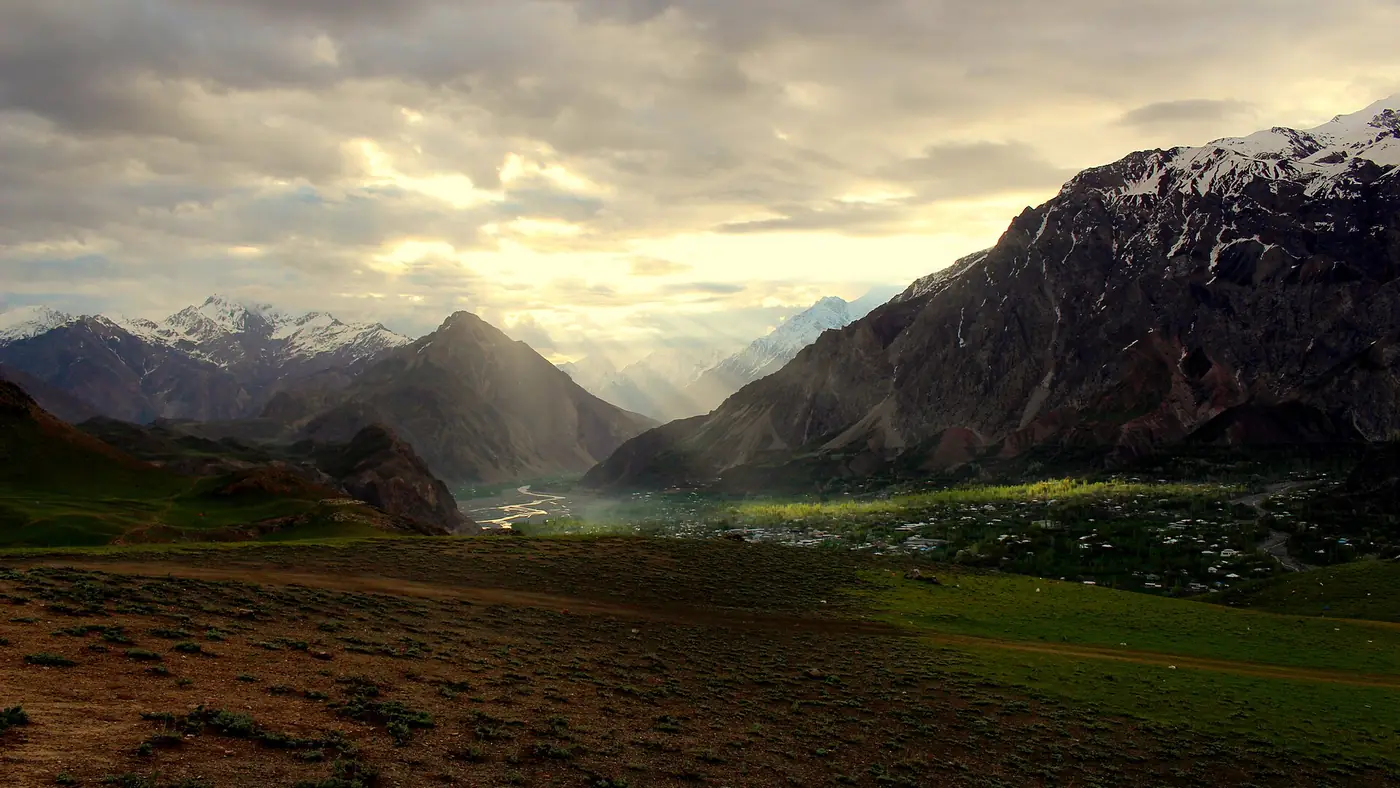
The park's range in elevation, from around 1,450 metres near the entrance to close to 5,000 metres on its highest ridges, means it covers everything from dry, thorny lower slopes to high alpine ground, which is part of why it supports such a range of species.
Best time to visit
May to September is the most reliable window. The upper reaches of the park are snowbound for much of the winter, snow lingering on the peaks into early summer, and the higher tracks become harder to reach once the cold sets in. Late spring and summer also bring the clearest, driest weather for driving the park's roads.
Outside these months, lower parts of the park, including the approach towards Birmoghlasht, may still be reachable in good weather, but check conditions in Chitral town before setting out, since rain and early snow can close tracks with little warning.
Fees and permits
A park entry fee is charged for both Pakistani and foreign visitors, but the fee has changed and there is no single published rate you can rely on. Bring more cash than you expect to need and pay whatever is currently posted at the entrance gate. Foreign visitors travelling in Chitral district generally also need a no-objection certificate, arranged in advance; check the current requirement with a tour operator or the district administration before you travel.
Is it worth the trip?
For anyone interested in wildlife, yes, and it is a rare chance in Pakistan to see a healthy population of a large wild animal on a day trip rather than a trek. For visitors mainly interested in scenery or culture, the jeep track and the time it takes are a bigger commitment than the reward of a distant markhor on a hillside, and the Kalash valleys or Chitral town itself may be a better use of a short trip. Our trip planning guide can help weigh this against the rest of a Chitral itinerary.
Frequently asked questions
How likely am I to see a markhor in Chitral Gol National Park?
Good, if you go early or late in the day with a local guide, since the park holds the world's largest markhor population. Seeing one up close, rather than on a distant slope, is less certain.
How do I get to Chitral Gol National Park?
By jeep from Chitral town, on a narrow, rough road that takes about two hours to reach the park. Public transport does not really serve it.
Is there an entry fee for Chitral Gol National Park?
Yes, a fee is charged at the gate, but the amount has changed over time. Bring cash and pay whatever is posted when you arrive.
Can I see a snow leopard in the park?
It is possible but unlikely on an ordinary visit. Snow leopards live in the park but are elusive, and sightings are rare even for rangers who monitor them.
What is the best time of year to visit Chitral Gol National Park?
Roughly May to September, when the upper tracks are clear of snow and the weather is driest for driving in.
Is Chitral safe for overseas visitors?
Pakistani tourists visit Chitral throughout the season, but as of September 2026 the UK government advises against all travel on the N45 from Mardan to Chitral city, which is the main road in through Dir and the Lowari Tunnel, and within 10 miles of the Afghan border. If you hold a foreign passport, check your own government's advice before you go, because travelling against it can void your insurance. Everyone should check local news and current police advice before setting out.