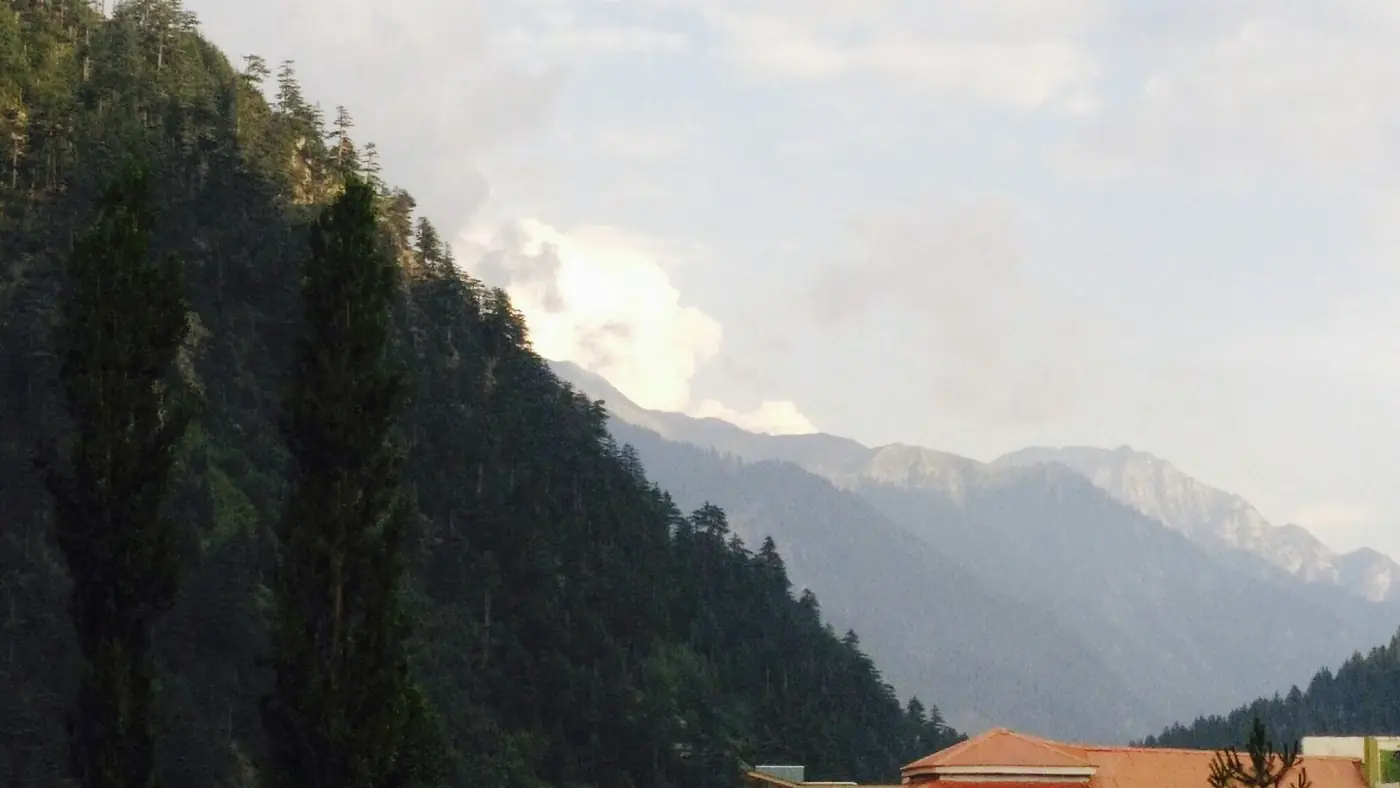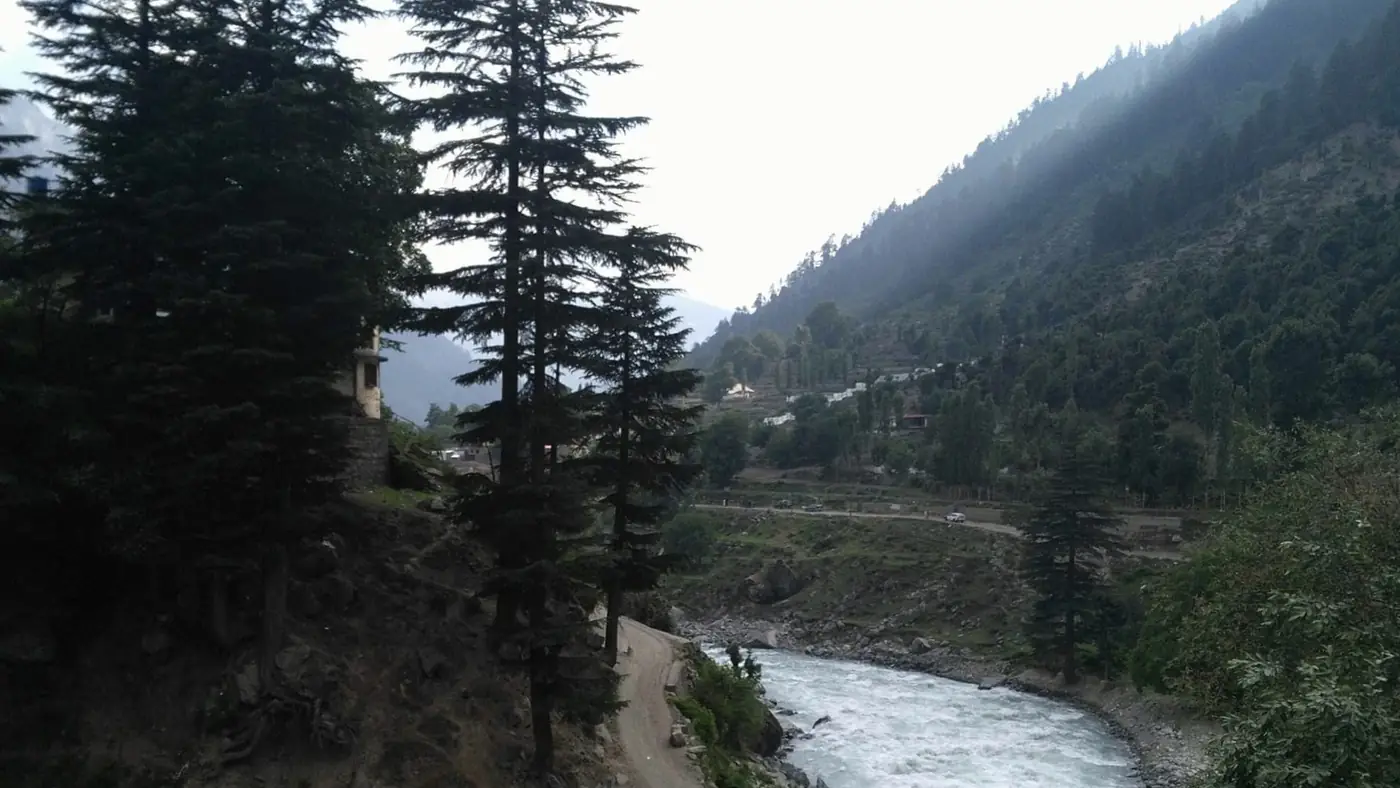
The classic motorbike tour of northern KPK runs from Islamabad up through Abbottabad, Balakot and the Kaghan valley to Naran, then over Babusar Pass to Chilas on the edge of Gilgit-Baltistan. It's around 410 km one way, climbs from under 600 metres to 4,173 metres at the top of the pass, and takes most riders two full days each way once you build in rest stops, altitude and the mountain road above Naran.
At a glance
| Route | Islamabad – Abbottabad – Balakot – Kaghan – Naran – Babusar Top |
|---|---|
| Distance (one way) | About 410 km to Babusar Top |
| Top altitude | 4,173 m |
| Season | Late May/June to October or November, snow permitting |
| Last fuel before the pass | Naran (none between Naran and Chilas) |
| Pass hours | Daylight only, roughly 7am to 6pm |
The route
The first stretch, Islamabad to Abbottabad, is motorway and fast dual carriageway, around 120 km. From Abbottabad the road narrows through Mansehra and Balakot and starts climbing properly into the Kaghan valley, a further 160 km or so of two-lane mountain road with slow trucks, tight bends and roadworks in places. Naran, at around 2,400 metres, is the natural overnight stop before the pass.
From Naran, Babusar Top is about 65 km and one and a half to two hours once the road is open, climbing hard in the final stretch to the border with Gilgit-Baltistan and views down toward Chilas and the Karakoram Highway. Most riders treat the top as a turnaround point for photos before heading back down, given the cold, thin air and the fact there is nothing there beyond the view and a snack stall in season.
Fuel
Fill up properly in Abbottabad or Mansehra, top up again in Balakot, and fill the tank completely in Naran, because there is no fuel station between Naran and Chilas on the other side. Carry a spare litre or two in a proper container if your bike has a small tank or poor fuel economy at altitude, since consumption rises on the steep climb to the top.
Gear
Northern KPK swings from warm valley floors to near-freezing wind at the pass, often in the same day, so layer rather than pack for one temperature:
- A proper riding jacket and trousers with some wind and water resistance, plus thermal layers underneath for the top
- Full gloves and a full-face or open-face helmet with a clear visor; the wind at Babusar is genuinely cold even in July
- Good tyres and brakes checked before you leave; there is no dealer or proper repair shop between Naran and Chilas
- A basic tool kit, spare clutch and brake cable if your bike allows it, and a tyre repair kit
- Cash, since ATMs become unreliable past Balakot, and your CNIC, checked at police posts along the way
Road conditions
Islamabad to Abbottabad is easy motorway riding. Abbottabad to Naran is a normal, if slow, mountain road: paved throughout, with landslide debris and roadworks possible after rain, particularly in the monsoon months. Naran to Babusar Top is the steepest and roughest section, mostly paved with some gravel near the summit, and it is exactly where altitude, cold and fatigue tend to catch riders out on the way back down in the evening. Plan to be off the top well before dusk, both because of the daylight-only restriction and because a mountain road at night on a bike is a different proposition entirely.
Extending the loop: onward to the Karakoram Highway
Some riders don't turn back at Babusar and continue down into Chilas to join the Karakoram Highway, either heading north toward Gilgit and Hunza or south through Besham back toward Islamabad, closing a loop rather than retracing the same road. Riding Babusar keeps you off the Karakoram Highway between Mansehra and Chilas, the stretch through Battagram, Besham, Dasu and Sazin, which the UK government currently advises against all travel to. That stretch is also the most landslide-prone part of the whole highway, especially in the July–August monsoon, regardless of the advisory.
If your plan is a there-and-back tour of Kaghan and Babusar, none of this affects you. If you're extending into a full Islamabad–Gilgit–Islamabad loop through Besham, check the current situation for that stretch before you commit to it, and know that if you hold a foreign passport, your own government's advice may say not to travel it, which can affect your travel insurance.
When to go
June to September is the reliable window: the pass is open, the Kaghan road is clear of snow, and the days are long enough for the ride to Babusar and back to Naran in daylight. July and August bring the monsoon, with a higher chance of landslides and wet, slippery bends on the lower stretch through Balakot, so a dry spell forecast is worth waiting for if you can be flexible. May and late October can work but carry a real risk of the pass being closed by snow on the day you arrive.
Who this trip suits
This is a trip for a confident rider used to mountain roads and cold-weather gear, not a first motorbike tour. A single day's ride from Islamabad to Naran is demanding enough on its own; adding Babusar the next day, at over 4,000 metres, asks a lot of both rider and bike. Groups with a support vehicle or an experienced local rider along tend to have an easier time of it than solo first-timers. If that's not you yet, our guide to planning a trip covers gentler ways to see the same valley by car.
Frequently asked questions
How many days does a Naran and Babusar bike tour take?
Most riders take four to five days: two travelling each way, plus at least one full day at Naran or Babusar itself with a rest day built in either side.
Is a 125cc or 150cc bike enough for Babusar Pass?
Small bikes make it, but the climb is slower going and harder on the engine at altitude. A bigger, well-maintained bike with good brakes copes more comfortably.
Where is the last fuel stop before Babusar Top?
Naran. There is no petrol station between Naran and Chilas on the other side of the pass, so fill up completely before you leave.
Does Babusar Pass avoid the risky part of the Karakoram Highway?
Yes. Riding via Babusar keeps you off the Karakoram Highway between Mansehra and Chilas, which the UK currently advises against all travel to. That stretch is also prone to landslides, especially in the monsoon.
What is the best month for a motorbike tour of northern KPK?
June, or September into early October, for clear roads and a lower chance of monsoon landslides between Balakot and Naran.