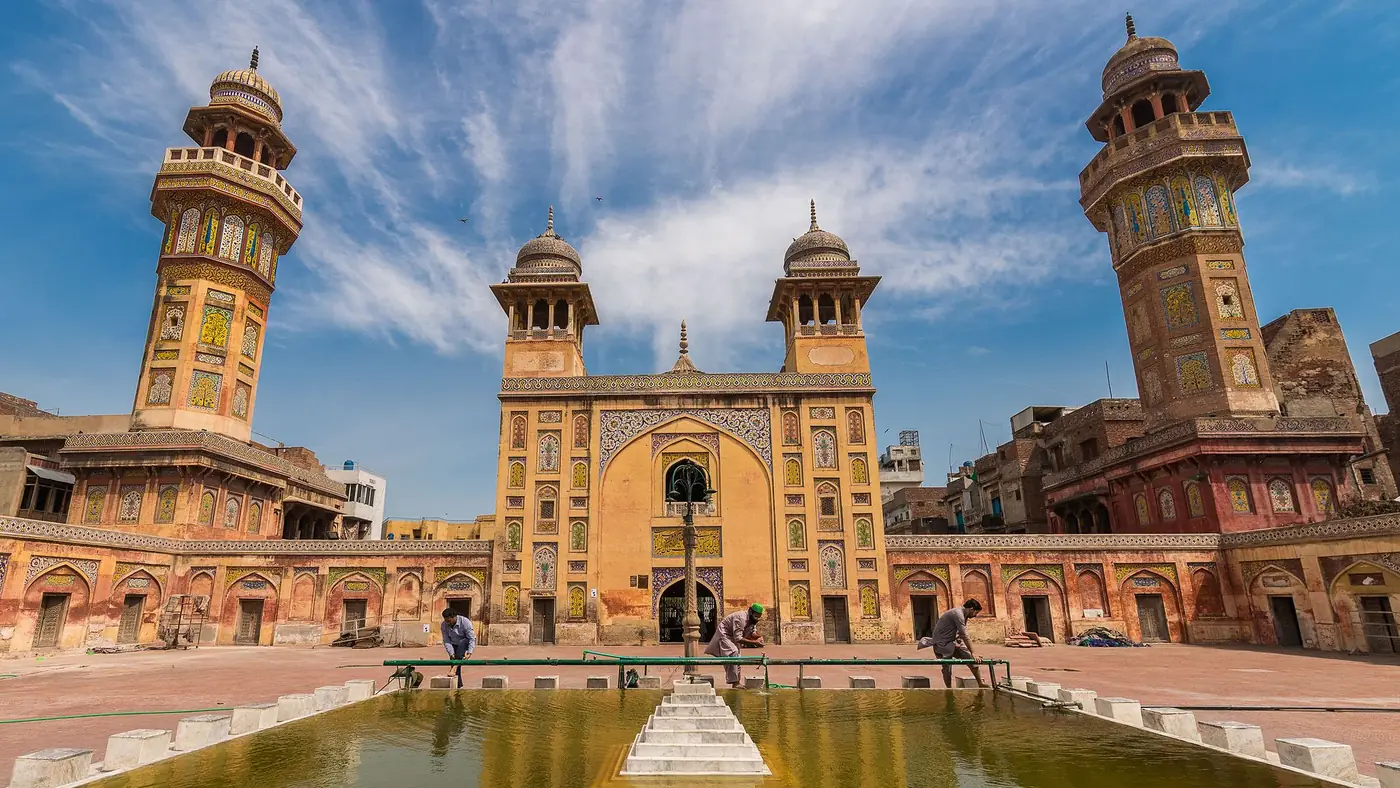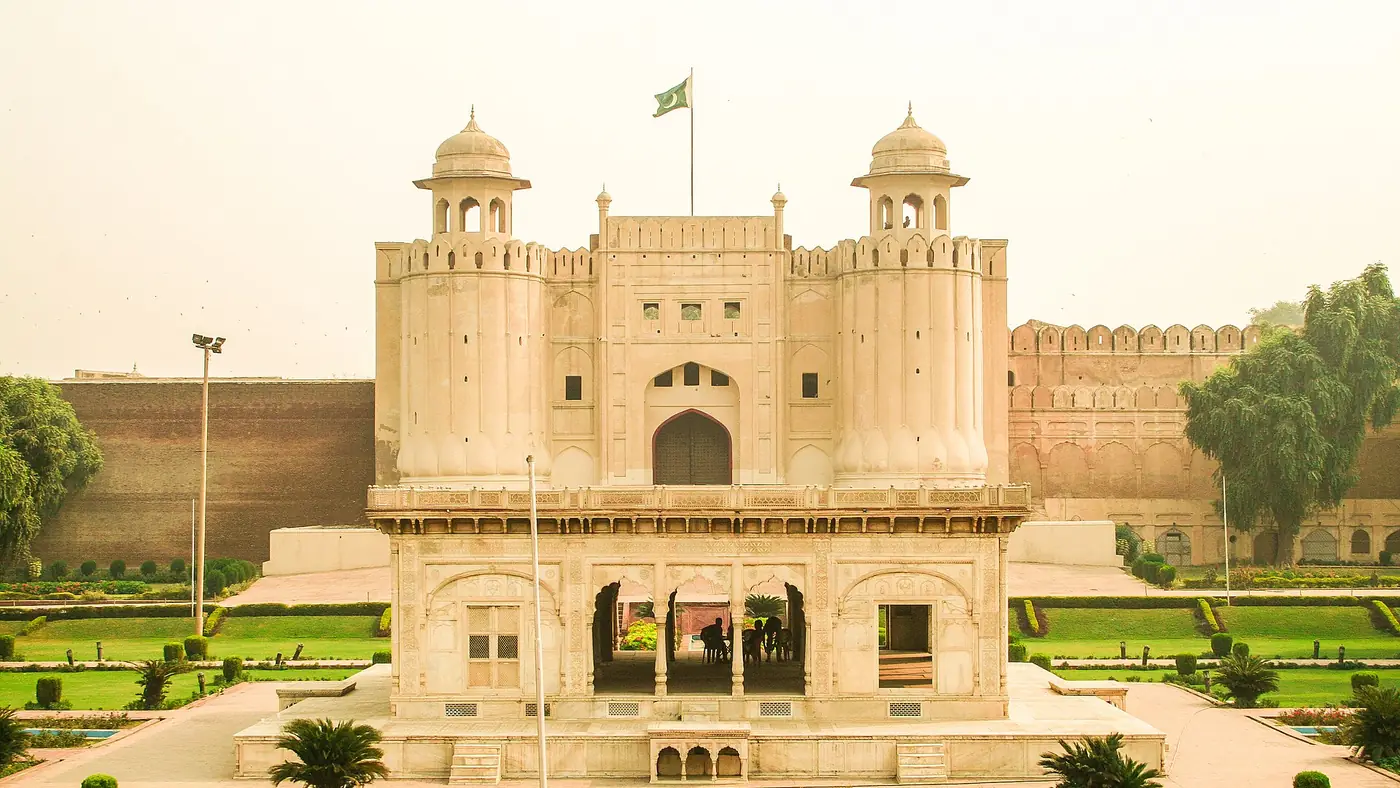
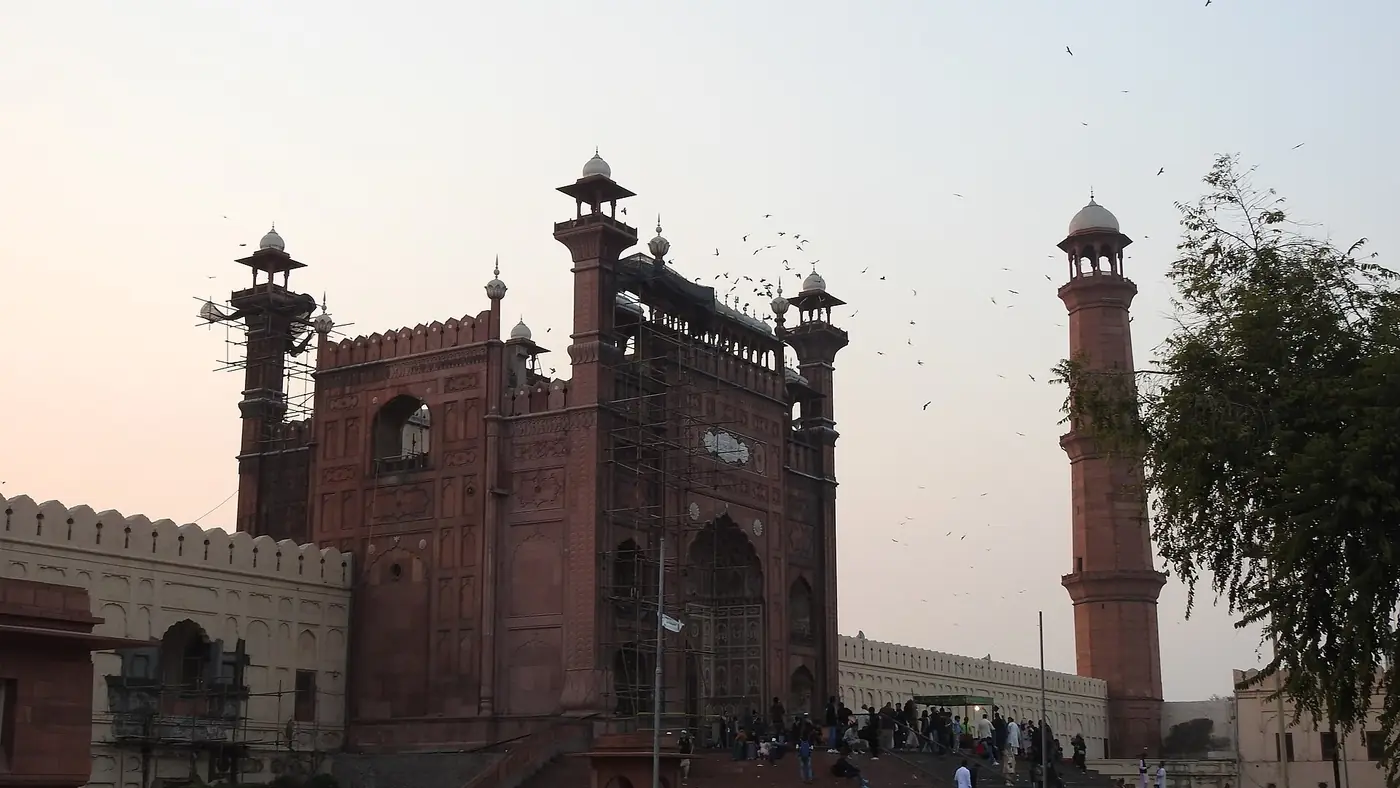
The best time to visit Lahore is late October to March, when the summer heat and the monsoon rain have passed and the worst of the winter smog has usually cleared by late morning. Within that window, February and early March are the most comfortable for a full day of walking between the fort, the old city and the gardens. Late November through January is cooler still and cheaper to travel in, but mornings are cold and hazy.
This guide goes through what each season actually feels like on the ground, including the two things that catch first-time visitors out: the summer heat and the winter smog, plus where Basant now fits into the calendar.
| At a glance | |
|---|---|
| Best overall | Late October to March |
| Most comfortable | February to early March |
| Avoid for heat | May and June (up to 40°C+) |
| Avoid for smog | Early November to late December |
| Monsoon rain | July to early September |
| Coolest, foggiest | January |
October to March: the main season
This is when most visitors come, and for good reason. Daytime highs drop from the low 30s°Cs in October to the high teens and low 20s by January, and the air is dry outside the smog weeks. Evenings need a jacket from December through February, especially for the Wagah border ceremony and rooftop dinners on Fort Road, both of which run outdoors after sunset.
Late October and much of November sit in an awkward spot: the heat has broken, but this is also when Lahore's seasonal smog typically builds, usually easing by late morning once the day warms up. December and January are cooler and usually clearer, though dense fog can delay flights out of Lahore airport and slow the motorway on some mornings.
February through mid-March is the sweet spot. Daytime temperatures sit in the low-to-mid 20s°C, skies are generally clear, and the Shalimar Gardens and other green spaces are at their best. Our guide to Lahore's weather by month breaks these numbers down further.
Why smog changes the calendar
Lahore's smog season runs roughly from early November into December, driven by a mix of crop-residue burning upwind, vehicle and industrial emissions, and cooler, stiller winter air that traps pollution close to the ground. Air quality has been genuinely hazardous in some recent years; enforcement and field operations reportedly cut the worst days sharply in November 2025, but the pattern still returns to some degree most winters.
If anyone in your group has asthma or another respiratory condition, avoid the first three to four weeks of November if you can, or plan indoor time (the Lahore Museum, the forts, the mosques) over long walks outside during that stretch. Smog tends to be worst early in the morning and improve somewhat by afternoon.
Summer: April to June
April is already warm, and by May and June daytime highs regularly pass 38–40°C, sometimes higher. Walking tours of the old city or the fort become genuinely hard work in the middle of the day. If you do travel in summer, plan sightseeing for early morning or the two hours before sunset, and treat midday as a time to be indoors with air conditioning.
Summer has its advantages: hotel rates are typically lower, the city is quieter, and evenings are pleasant enough for Fort Road or Lakshmi Chowk once the heat breaks. It suits a short, focused trip more than three unhurried days of walking.
Monsoon: July to early September
The monsoon brings Lahore's heaviest rain, concentrated in July and August, with sudden downpours that can flood low-lying streets for an hour or two before draining. Humidity is high and afternoons can be uncomfortable, though the rain itself briefly cools the air. This is the least practical season for a first visit, mainly because outdoor plans (Wagah, Shalimar, the food streets) are hardest to time around sudden weather.
Basant and the kite-flying calendar
Basant, Lahore's spring kite festival, was revived in February 2026 after an 18-year ban, under new safety rules restricting kite string types, gunfire and rooftop drinking. The 2026 return was marked by serious accidents, including rooftop falls, and the festival remains under judicial review even as Punjab has scheduled the next one for 12–14 March 2027. If you are travelling around those dates, expect a citywide atmosphere, road closures near kite-flying zones, and a complete ban on unofficial kite flying outside the sanctioned days. Check the latest rules before you go, and keep clear of rooftops if you are not part of an organised, licensed event.
Ramadan and Eid
If your trip falls during Ramadan, daytime rhythms shift: many food streets and casual restaurants open late or close through the afternoon, then come alive after iftar, when Fort Road and Lakshmi Chowk stay busy well past midnight. Sightseeing at forts, mosques and museums is unaffected in the mornings, but plan lunch carefully, since options thin out. Eid holidays bring heavier local travel and busier attractions, particularly Greater Iqbal Park and the food streets in the evenings, so book transport and hotels earlier than usual if your visit lines up with either Eid.
What suits your trip
A short city break (2–3 days): aim for February–March or November–January outside the worst smog weeks, when you can walk the old city, the fort and Shalimar without the heat working against you.
A food-focused trip: any cooler month works, since the food streets run in the evening regardless of the daytime temperature; just add a jacket from November to February.
Combining Lahore with a longer Punjab or northern Pakistan trip: our travel guide and when to go across Pakistan pages help line up Lahore's season with the rest of your route, and our trip planning page can help put an itinerary together.
Visiting for Wagah at the border: the ceremony runs year-round in the evening, so timing your Lahore trip for the border parade is less about season than about arriving early for a seat; see our Wagah border parade timings guide.
Frequently asked questions
What is the single best month to visit Lahore?
February is usually the best balance of cool, clear weather and long enough days for sightseeing, with early March close behind before the heat starts building.
Is Lahore too hot to visit in summer?
It is uncomfortable for full days outdoors from May to June, with highs often above 38°C. A summer visit works better as a short, air-conditioned trip focused on museums, forts and evening food streets rather than long walks.
When is Lahore's smog at its worst?
Typically from early November into December, though the severity varies by year and enforcement. Mornings are usually the worst; the air often clears somewhat by afternoon.
Should I avoid Lahore during the monsoon?
Not entirely, but July and August bring heavy, sudden rain that can disrupt a day's plans. If your trip is fixed for those months, build in flexible timing rather than a tight schedule.
Is Basant a good reason to time a Lahore trip?
If it interests you, yes, but check the current dates and rules before booking, since the festival's return in 2026 came with serious safety incidents and remains under review. Expect road closures and a lively, crowded city around the dates.